Project Pilipinas connects textile waste generators, community makers, buyers, and circular solutions through organized collection, reuse-first upcycling, traceability, and future material recovery pathways.
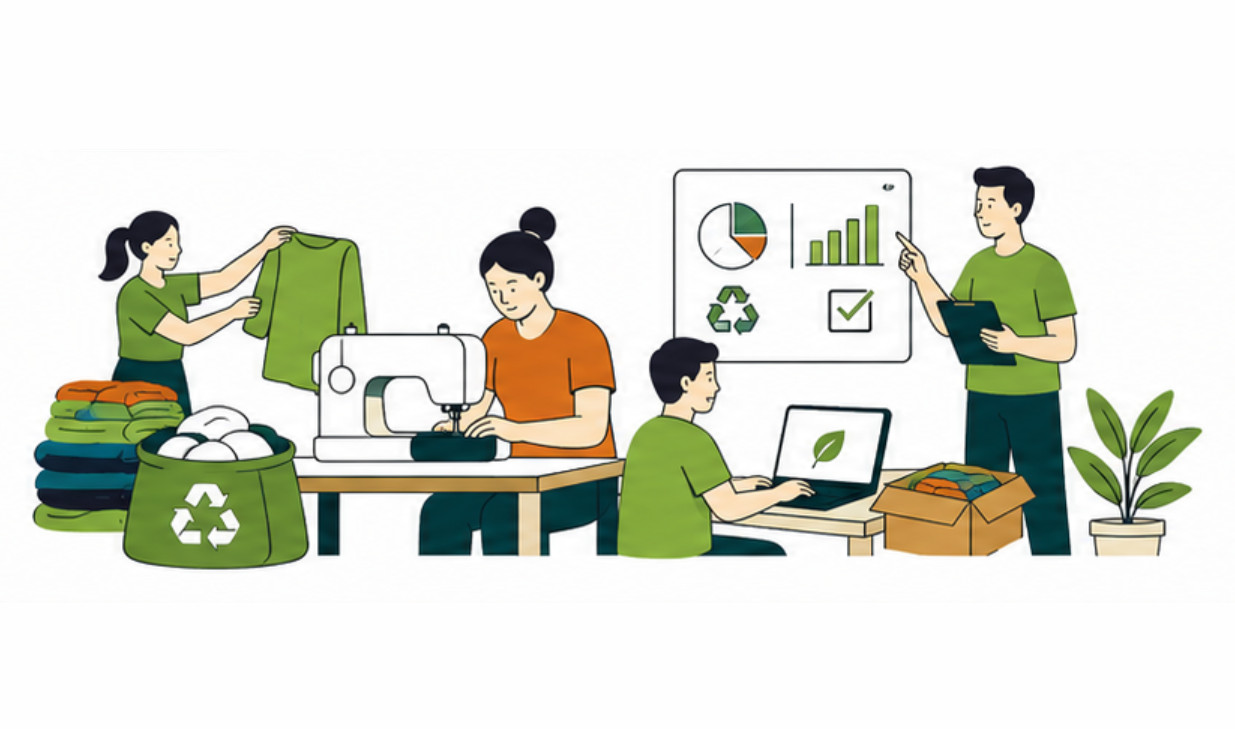
We help companies and institutions assess, collect, sort, and responsibly route surplus, used, or damaged textiles through a reuse-first recovery process.
Reusable textiles are matched with community makers who transform them into useful products while creating flexible, home-based livelihood opportunities.
We track material movement and impact while developing future pathways for damaged textiles through shredding, material processing, and circular innovation.
The Philippines already has companies with textile waste and communities with upcycling skills. The missing link is an organized system that connects collection, sorting, production, circular material pathways, and clear impact reporting.
Project Pilipinas grows from Project Payatas, a community-led social enterprise that began through outreach in 2021 and formally developed its textile upcycling model in 2022. In 2025, Project Payatas recorded 2,803 kg of textile waste diverted, ₱411,624 in gross livelihood payouts, approximately 30–40 active mothers, and more than ₱1.2 million in annual sales.
A circular future, woven together.
Project Pilipinas is being developed as a practical, reuse-first recovery system for organizations, communities, and buyers. The questions below explain how the pilot is intended to work and how partners can participate.
We can assess factory scraps and offcuts, corporate uniforms, linens, curtains, retail deadstock and returns, school or institutional textiles, and household donations. Acceptance depends on material condition, volume, contamination, storage, and the available recovery pathway.
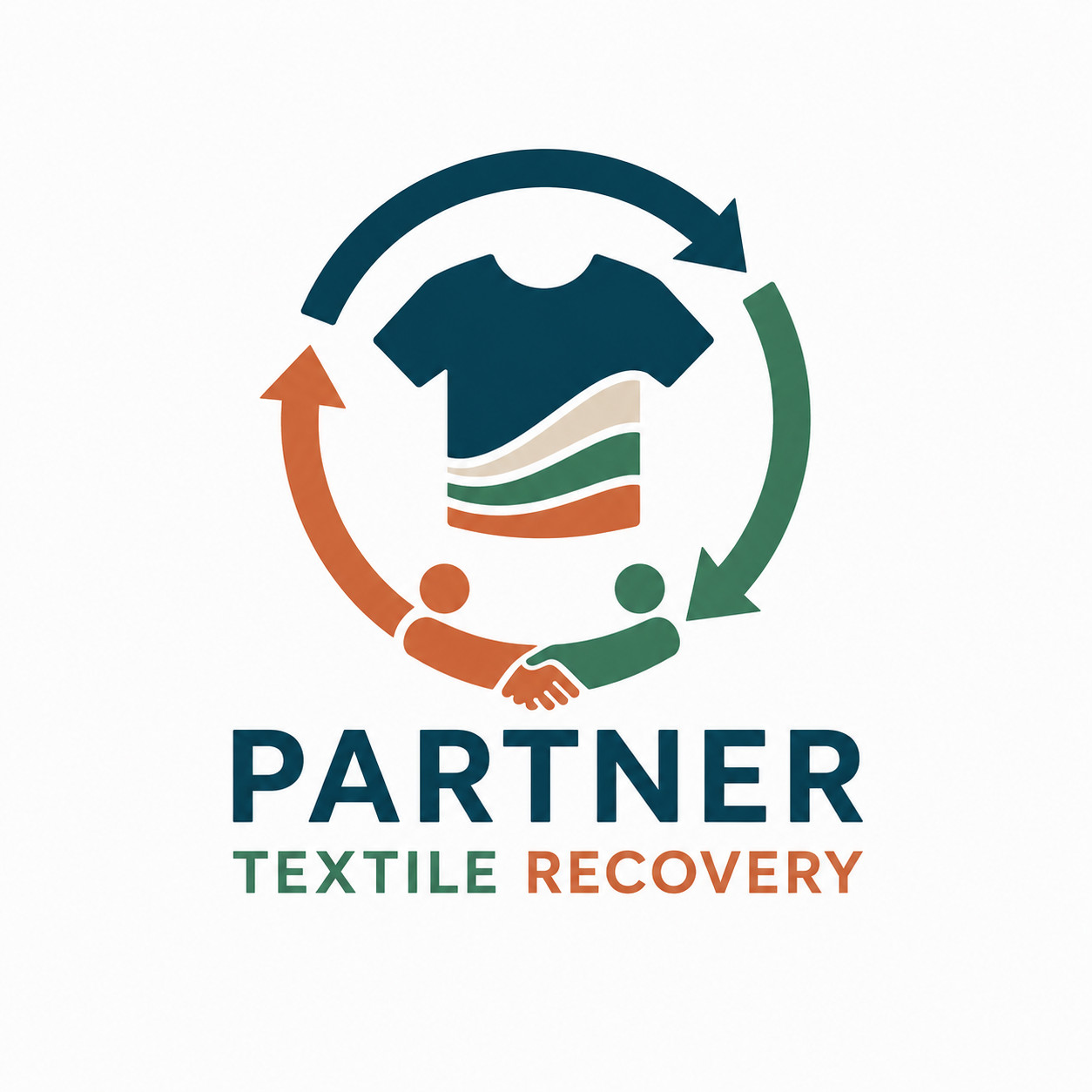
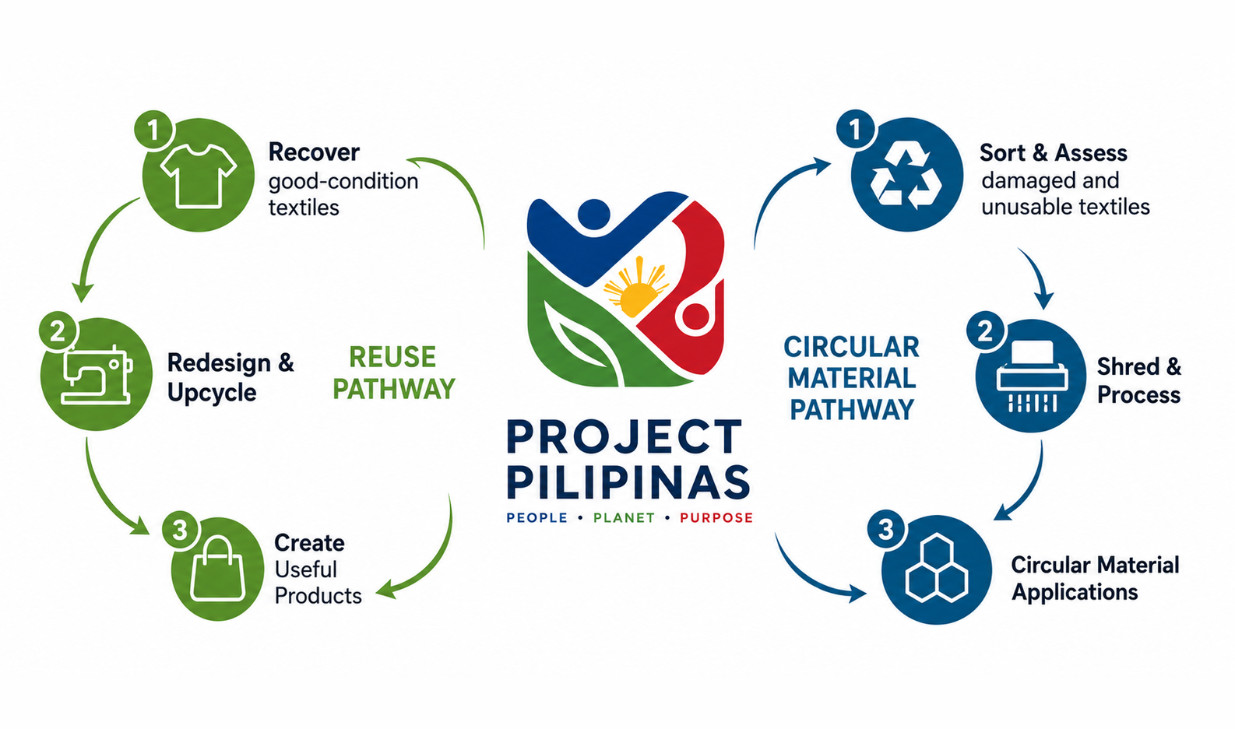
The process begins with partner onboarding and a recovery assessment. Depending on the volume and location, collection may use scheduled pickup, drop boxes, community drives, or bulk retrieval. Materials are then sorted, recorded, and assigned to an appropriate pathway.
Reusable textiles are prioritized for redesign and community upcycling. Damaged or unusable textiles may be held for approved shredding and material-development trials as these capabilities are established. Materials without a confirmed pathway are recorded as inventory, not diversion.
Yes. During the pilot, reports may include textile weight received, material classification, recovery destination, products created, community livelihood supported, and other agreed indicators. Reporting formats will be improved as the traceability system is tested.
Interested groups may submit their location, skills, current products, equipment, production capacity, quality-control process, and material needs. Project Pilipinas will assess how the group can fit within available material and buyer demand.